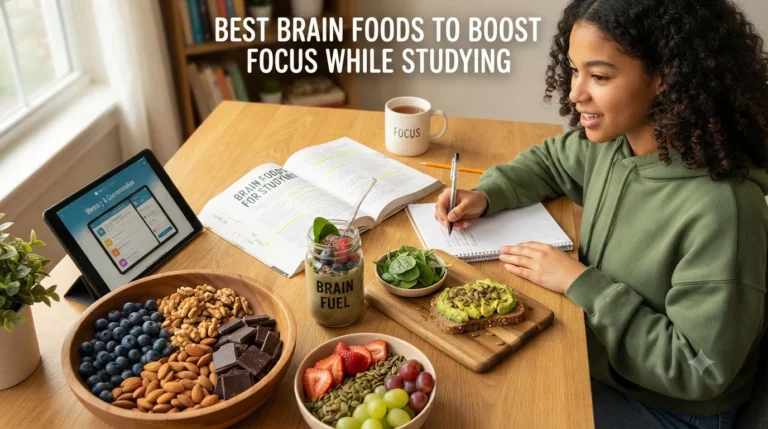

Long study sessions can be mentally demanding. Whether you are preparing for final exams, working on an important project, attending online classes, or trying to memorize large amounts of information, the food you choose during your study time can make a noticeable difference in how you feel and perform.
Many students rely on sugary snacks, energy drinks, chips, or fast food because they are convenient and provide quick energy. However, these choices may not always provide the sustained energy and concentration needed for several hours of studying. A better approach is to choose healthy study snacks that combine nutrients such as protein, fiber, healthy fats, complex carbohydrates, vitamins, and minerals.
The right snacks can help you avoid extreme hunger, maintain more stable energy, support normal brain function, and make long study sessions easier to manage. They can also contribute to digestive health, especially when you choose foods that contain fiber and avoid excessive amounts of heavily processed ingredients.
This guide explores some of the best snacks for studying, explains what makes a snack suitable for long study sessions, and provides practical ideas for brain food and exam nutrition. The goal is not to create a complicated diet, but to make it easier to choose satisfying foods that support your study routine.
read more about mobile learning
Why Healthy Study Snacks Matter
Studying Requires Consistent Energy
The brain is highly active even when the body is sitting still. Reading, solving problems, writing, analyzing information, and memorizing material all require mental effort.
Going several hours without eating may leave some students feeling hungry, distracted, tired, or irritable. Hunger can make it harder to focus on the task in front of you because attention may shift toward finding food.
A well-planned snack can help prevent excessive hunger and provide energy between meals.
The goal is not to eat constantly. Instead, snacks should complement balanced meals and provide useful nutrition when you genuinely need something between meals.
Avoiding the Energy Crash
Some snacks are high in added sugar and refined carbohydrates. They can provide a rapid source of energy, but the feeling may not last.
For example, eating a large amount of candy while studying may temporarily feel satisfying. However, it provides relatively little protein or fiber and may leave you hungry again soon.
Combining carbohydrates with protein, fiber, or healthy fats can make a snack more satisfying and help provide a steadier source of energy.
Supporting Concentration
Concentration depends on many factors, including sleep, hydration, stress, study environment, and overall nutrition.
Food cannot replace adequate sleep or effective study habits, but a balanced eating pattern can support normal brain function.
This is why many students benefit from thinking about brain food as part of their overall routine rather than searching for one magical food that instantly improves memory.
What Makes a Good Study Snack?
Include Protein
Protein can make snacks more filling and can help support normal body functions.
Good snack sources include Greek yogurt, eggs, nuts, seeds, cottage cheese, and hummus.
A protein-rich snack can be particularly useful when you have several hours before your next full meal.
Choose High-Fiber Foods
Fiber is important for digestive health and can help make meals and snacks more satisfying.
Fruits, vegetables, oats, beans, whole grains, nuts, and seeds are examples of foods that can contribute fiber to the diet.
Adding fiber-rich foods to your study snacks can also help increase dietary variety.
Add Healthy Fats
Healthy fats can contribute to a satisfying snack and provide an energy-dense source of nutrition.
Nuts, seeds, nut butters, avocado, and certain types of fish are examples of foods containing beneficial fats.
You do not need large amounts. A small portion can be enough to complement fruit, whole-grain foods, or vegetables.
Prefer Complex Carbohydrates
Carbohydrates are an important energy source for the body and brain.
Whole grains, oats, fruit, and starchy vegetables can provide carbohydrates along with other nutrients.
Instead of relying exclusively on sweets or highly refined snacks, combining whole-food carbohydrate sources with protein or healthy fats can create a more balanced snack.
Keep Portion Size Practical
Even nutritious food can become uncomfortable when eaten in excessive amounts during a study session.
A study snack should generally be enough to satisfy hunger without leaving you overly full or sleepy.
Individual needs vary, so portion size should depend on hunger, activity level, meal timing, and overall dietary needs.
read more about Quran apps
Best Healthy Study Snacks
Greek Yogurt With Berries
Greek yogurt is a convenient source of protein, while berries provide carbohydrates, fiber, and a variety of plant compounds.
Combining the two creates a simple snack that can be prepared within minutes.
You can add a small amount of oats, chia seeds, or chopped nuts if you want additional texture and nutrients.
For students studying at home, this can be an especially easy snack because it requires little preparation.
Apple With Peanut Butter
An apple paired with peanut butter combines fruit carbohydrates and fiber with protein and fat.
The combination is more satisfying than eating a sweet snack alone.
Choose a peanut butter with a simple ingredient list when possible, and adjust the amount according to your nutritional needs.
Other nut butters can also work if you prefer almond, cashew, or another variety.
Banana With Nuts
Bananas are convenient because they require no preparation and are easy to eat during a short study break.
Pairing a banana with a small serving of almonds, walnuts, or another type of nut creates a more balanced snack.
The fruit provides carbohydrates, while the nuts contribute protein, fat, fiber, and other nutrients.
Oatmeal With Fruit
Oatmeal is not only a breakfast food.
A small bowl of oats can make a satisfying study snack, particularly during a long afternoon or evening study session.
You can add sliced banana, berries, apple pieces, cinnamon, seeds, or a small amount of nut butter.
Oats are also a useful source of fiber, making them a good option for people who want to support digestive health.
Hard-Boiled Eggs
Hard-boiled eggs are a convenient protein-rich snack.
You can prepare several in advance and keep them refrigerated for later use.
An egg can be eaten alone or combined with vegetables, whole-grain toast, or fruit.
For a longer study session, pairing protein with a carbohydrate source may create a more satisfying snack.
Carrots and Hummus
Carrot sticks and hummus provide a combination of vegetables, carbohydrates, fiber, and plant-based protein.
Hummus is made primarily from chickpeas and can be a convenient dip for vegetables.
You can also use cucumber, bell peppers, celery, or other vegetables instead of carrots.
This type of snack adds variety to a study routine and can be especially useful for students who prefer savory foods.
Fresh Fruit
Fresh fruit is one of the simplest snacks for studying.
Apples, oranges, bananas, grapes, pears, strawberries, blueberries, and other fruits can be eaten with minimal preparation.
Fruit provides carbohydrates and contributes vitamins, minerals, water, and fiber.
Rather than relying on candy for something sweet while studying, fruit can satisfy a preference for sweetness while contributing more nutritional value.
Nuts and Seeds
Nuts and seeds are compact and easy to store.
Almonds, walnuts, pistachios, pumpkin seeds, sunflower seeds, and similar foods can provide protein, healthy fats, fiber, and various micronutrients.
Because they are calorie-dense, a small serving is often sufficient.
Pre-portioning them into small containers or bags can make them easier to manage during long study sessions.
Whole-Grain Crackers With Cheese
Whole-grain crackers paired with cheese can provide carbohydrates and protein in a convenient format.
Choose whole-grain crackers when possible and consider adding sliced vegetables or fruit.
This combination can work well when you want something savory rather than sweet.
Cottage Cheese With Fruit
Cottage cheese provides protein and can be paired with fruit for a simple sweet-and-savory combination.
Try it with berries, peaches, pineapple, or apple slices.
If you prefer savory snacks, cottage cheese can also be paired with cucumber, tomatoes, herbs, or whole-grain crackers.
Avocado Toast
A small piece of whole-grain toast topped with avocado can be a satisfying study snack.
Whole-grain bread provides carbohydrates and fiber, while avocado contributes healthy fats and additional nutrients.
You can add an egg or a small amount of cottage cheese if you want more protein.
Chia Pudding
Chia seeds absorb liquid and create a pudding-like texture when soaked.
Chia pudding can be prepared ahead of time and stored in the refrigerator.
Adding fruit and yogurt can increase the nutritional variety of the snack.
Because chia seeds are rich in fiber, introduce large amounts gradually if your digestive system is not accustomed to high-fiber foods.
Healthy Snacks for Studying Late at Night
Choose Light but Satisfying Options
Late-night studying creates a special challenge.
You may be hungry, but eating a very large or heavy meal immediately before trying to sleep may be uncomfortable.
A smaller snack such as yogurt with fruit, a banana with a few nuts, or whole-grain toast with a light topping may be more practical.
Avoid Relying on Excessive Caffeine
Coffee and tea can be useful for alertness for some people, but excessive caffeine may interfere with sleep.
This can create a cycle in which a student uses caffeine to compensate for inadequate sleep, then struggles to sleep because of caffeine consumption.
Sleep is essential for learning and memory, so protecting your sleep schedule is an important part of exam nutrition and effective studying.
Consider Your Digestive Comfort
Some foods may feel heavy late at night.
Large portions of fried foods, very spicy meals, or highly rich foods may cause discomfort for some individuals.
If you notice that certain foods consistently cause bloating or stomach discomfort during late-night study sessions, consider choosing lighter alternatives.
read more about power bank for students
Best Snacks for Exam Day
Prepare Food in Advance
Exam days can be stressful, and students may forget to eat properly.
Preparing snacks in advance can reduce the temptation to rely entirely on vending-machine foods or fast food.
Easy options include bananas, apples, unsalted nuts, whole-grain sandwiches, yogurt if refrigeration is available, and simple homemade snack boxes.
Do Not Experiment With New Foods
Exam day is usually not the best time to test an unfamiliar food that might upset your stomach.
If you have a sensitive digestive system, stick with foods you already know you tolerate well.
This is particularly important when stress already affects your digestion.
Eat According to Your Normal Routine
A balanced breakfast and appropriate snacks can be more useful than suddenly changing your eating habits on exam day.
Try to maintain a familiar routine and avoid extreme restriction or overeating.
Brain Food: What Should Students Know?
There Is No Single Magic Brain Food
The phrase brain food is often used to describe foods associated with cognitive health, but no individual snack can guarantee better grades or instant concentration.
Brain function is influenced by overall dietary quality, sleep, hydration, physical activity, stress, and many other factors.
Instead of looking for one special food, focus on building a balanced eating pattern.
Foods Rich in Omega-3 Fatty Acids
Fatty fish such as salmon, sardines, and mackerel provide omega-3 fatty acids.
For students who eat fish, including these foods as part of regular meals can contribute to an overall healthy diet.
Plant foods such as walnuts and chia seeds also provide different forms of omega-3 fats.
Berries and Other Colorful Fruits
Berries are popular choices when discussing brain food because they contain fiber and a range of plant compounds.
Blueberries, strawberries, blackberries, and raspberries can easily be incorporated into yogurt, oatmeal, smoothies, or eaten alone.
Other colorful fruits and vegetables also contribute valuable nutrients, so there is no need to focus exclusively on berries.
Eggs and Other Protein Foods
Eggs provide protein and several vitamins and minerals.
Other protein sources, including yogurt, legumes, poultry, fish, and nuts, can also fit into a balanced diet.
A snack does not need to contain every nutrient. What matters more is how it fits into your overall eating pattern.
Snacks That Support Digestive Health
Why Fiber Matters
Digestive health is an important consideration when planning study snacks.
Fiber supports normal bowel function and is found naturally in plant foods.
Fruits, vegetables, oats, legumes, nuts, seeds, and whole grains can all contribute fiber.
However, suddenly increasing fiber intake can cause gas or bloating in some people.
Increasing fiber gradually while drinking adequate fluids may be more comfortable.
Yogurt and Fermented Foods
Some fermented foods contain live microorganisms that may be beneficial to gut health.
Yogurt containing live cultures can be a convenient option.
Individual responses vary, and fermented foods should be considered part of an overall balanced diet rather than a cure for digestive problems.
Hydration and Digestion
Water is essential for normal body functions, including digestion.
Students sometimes become so focused on studying that they forget to drink.
Keeping water nearby can make it easier to drink regularly throughout the day.
Adequate hydration is especially important when eating fiber-rich foods.
Foods to Limit During Long Study Sessions
Excessively Sugary Snacks
Candy, cookies, pastries, and sugary drinks can be convenient, but they may provide a lot of added sugar without much protein or fiber.
Having them occasionally is different from relying on them as the primary source of energy throughout a study session.
If you want something sweet, consider pairing a smaller sweet item with a more nutrient-dense food or choosing fruit.
Highly Processed Salty Snacks
Chips and similar snacks can be easy to overeat because they are convenient and highly palatable.
They can fit into an overall diet occasionally, but they are not necessarily the most satisfying choice for a long study session.
Try alternating them with nuts, popcorn prepared with minimal added ingredients, whole-grain crackers, or vegetables.
Heavy Fried Foods
Large servings of fried foods may leave some people feeling sluggish or uncomfortable.
This can be particularly inconvenient when you need to concentrate for several hours.
A lighter meal or snack may be more comfortable during intensive study periods.
Excessive Energy Drinks
Energy drinks can contain substantial amounts of caffeine and sometimes significant amounts of sugar.
Using them excessively may contribute to sleep problems, jitteriness, rapid heartbeat, or digestive discomfort in some people.
Students should pay attention to total caffeine intake and individual sensitivity.
Creating a Balanced Study Snack Box
The Protein Component
Start with a protein source such as yogurt, cheese, boiled egg, hummus, nuts, seeds, or another food you enjoy.
Protein can make the snack more satisfying.
The Fruit or Vegetable Component
Add fruit or vegetables for fiber, vitamins, minerals, and variety.
For example, combine apple slices with nuts, carrots with hummus, or berries with yogurt.
The Whole-Grain Component
If you need more substantial energy, add whole-grain crackers, oats, toast, or another whole-grain carbohydrate.
This can be particularly useful when several hours remain until your next meal.
The Hydration Component
Keep a bottle of water nearby.
A snack box can support your nutrition, but hydration is equally important during a long study session.
read more about improve English writing
Simple Healthy Study Snack Combinations
Combination One: Apple, Nuts, and Water
This combination requires almost no preparation.
The apple contributes carbohydrates and fiber, while nuts provide protein, fat, and additional nutrients.
Combination Two: Greek Yogurt and Berries
This is a simple option when refrigeration is available.
The yogurt provides protein, while berries contribute carbohydrates and fiber.
Combination Three: Hummus, Carrots, and Whole-Grain Crackers
This combination is useful for students who prefer savory foods.
It combines vegetables with a source of protein and whole-grain carbohydrates.
Combination Four: Banana and Peanut Butter
This is especially convenient when you need a quick snack between study blocks.
It is portable, requires no cooking, and combines fruit with a source of fat and protein.
Combination Five: Oatmeal, Fruit, and Seeds
This can be more substantial than a small snack and may work well during a long afternoon study period.
Oats provide carbohydrates and fiber, fruit adds flavor and nutrients, and seeds provide additional fat and protein.
How to Plan Snacks Around Study Sessions
Study for a Few Hours
If you are studying for two or three hours between meals, one balanced snack may be enough.
Choose something satisfying and avoid eating simply because you are bored.
Study for Most of the Day
Long study days require more planning.
Instead of continuously grazing, plan regular meals and use snacks when hunger appears between them.
This can help prevent the cycle of skipping meals followed by overeating later.
Use Study Breaks to Eat Mindfully
A study break can be an opportunity to step away from the screen or books.
Rather than eating automatically while reading, pause for a few minutes and focus on the food.
Mindful eating may help you recognize when you are satisfied.
Healthy Study Snacks on a Budget
Buy Seasonal Fruits
Seasonal fruit is often an economical option.
Bananas, apples, oranges, and other locally available fruits can provide convenient snacks without requiring expensive specialty products.
Choose Basic Ingredients
You do not need expensive “superfoods” to create nutritious snacks.
Oats, eggs, beans, lentils, yogurt, bananas, peanuts, carrots, and whole grains can form the foundation of many affordable options.
Prepare Snacks at Home
Homemade snacks can be less expensive than packaged convenience foods.
Preparing boiled eggs, overnight oats, chopped vegetables, homemade popcorn, or simple sandwiches ahead of time can make healthy choices easier during busy study days.
Meal Preparation for Exam Season
Prepare Several Snack Options
During exam season, having multiple options available can prevent boredom.
For example, prepare fruit, yogurt, nuts, vegetables, and whole-grain foods so you can choose according to your hunger and preferences.
Store Food Safely
Perishable foods such as yogurt, eggs, cheese, and cut vegetables need appropriate refrigeration.
Food safety is particularly important when preparing snacks in advance.
Portion Snacks Ahead of Time
Pre-portioning nuts, seeds, crackers, or other calorie-dense foods can make them easier to manage.
It also means you do not have to interrupt studying to prepare food repeatedly.
The Connection Between Exam Nutrition and Academic Performance
Nutrition Is Part of the Bigger Picture
Good exam nutrition should not be viewed as a shortcut to academic success.
No snack can compensate for studying too late, sleeping poorly, or failing to prepare.
Instead, nutrition should support the habits that make effective studying possible.
Stable Routines Can Help
Maintaining reasonably consistent meals, hydration, sleep, and study breaks can create a more sustainable routine.
Students often perform better when they avoid extreme cycles of fasting, overeating, excessive caffeine, and sleep deprivation.
Avoid Extreme Dieting During Exams
Severely restricting food while studying can make it difficult to meet nutritional needs.
Exam periods already place significant demands on students.
A balanced eating pattern is generally more practical than eliminating entire food groups without a medical reason.
read more about digital marketing skills
Choosing the right food during long study sessions does not require an expensive meal plan or complicated recipes. The best healthy study snacks are often simple foods that provide a useful combination of carbohydrates, protein, fiber, healthy fats, vitamins, and minerals.
Fruits, vegetables, yogurt, oats, nuts, seeds, eggs, hummus, whole grains, and other minimally processed foods can all become part of a practical study-snack routine. These choices can help you stay satisfied between meals while contributing to overall digestive health.
When preparing for exams, think beyond individual foods. Exam nutrition works best when it is combined with adequate sleep, hydration, regular meals, study breaks, and a sustainable schedule. Foods often described as brain food can contribute valuable nutrients, but there is no single snack that can replace good study habits.
It is also important to pay attention to your individual digestive comfort. If certain foods cause bloating, stomach pain, diarrhea, or other recurring symptoms, consider discussing the issue with a healthcare professional rather than assuming that every digestive problem is caused by diet alone.
Ultimately, the goal of snacks for studying is simple: provide convenient, satisfying nutrition that supports your daily routine without making studying more difficult. With a little preparation, you can replace random snack choices with balanced options that keep you fueled throughout even the longest study sessions.