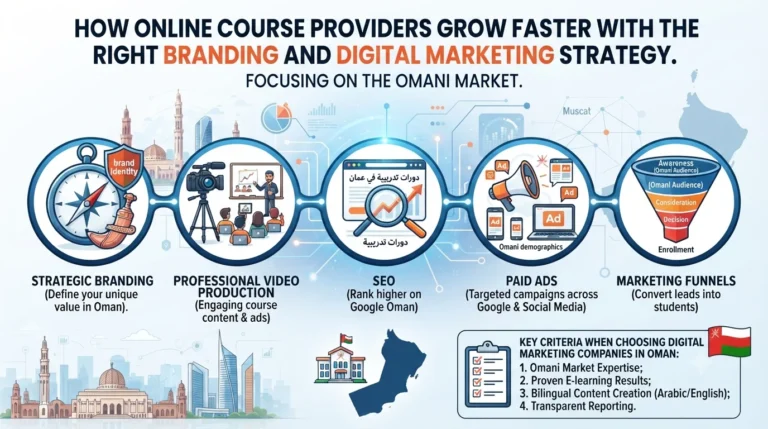

The global democratization of knowledge has turned online education from a niche, alternative learning model into a hyper-competitive, trillion-dollar mainstream industry. Driven by the mass adoption of remote learning, corporate upskilling mandates, and the continuous need for professional pivot points, thousands of EdTech startups, university extension programs, and independent educational platforms enter the market daily.
However, this explosive growth has triggered an equally massive challenge: the paradox of choice.
For modern learners, the barrier to acquiring knowledge is no longer access; it is filtration. Students are systematically overwhelmed by an endless sea of digital courses, masterclasses, and bootcamps, all promising identical career breakthroughs, certifications, or personal transformations. In this saturated digital ecosystem, having excellent curriculum design is no longer a competitive advantage—it is merely a baseline prerequisite.
The true battleground for modern educational platforms is trust and visibility.
To transform a generic collection of video lectures into a highly respected institutional brand that systematically attracts, converts, and retains student cohorts, EdTech providers must leverage advanced strategies. Achieving this level of market presence requires deploying comprehensive brand identity structures, high-fidelity media assets, and sophisticated multi-channel conversion funnels. For educational organizations aiming to make a significant cultural and commercial impact within regional hubs like Muscat or across the GCC, collaborating with a top-tier branding and marketing agency in Oman provides the essential framework needed to scale localized enrollment into international success.
read more about audio quality for online learning
1. The Psychology of the Modern Digital Student
Before a single dollar is allocated to digital ad spends or content production suites, it is critical to dissect the unique psychographic motivations, anxieties, and friction points that define the modern online learner. Choosing an educational program is fundamentally different from a standard consumer purchase; it is a high-involvement investment of time, identity, and personal capital.
Deconstructing the Risk Profile of Educational Purchases
When a consumer purchases a software tool or an e-commerce item, the transaction carries low long-term psychological risk. If the item fails, they request a refund or write off the loss. Education, however, demands a non-refundable investment of a student’s most precious asset: finite time.
A student purchasing a comprehensive data science certification or an executive leadership program is asking themselves deep, anxiety-inducing questions:
-
Will this course actually make me employable, or am I wasting months of evening study?
-
Is this platform recognized by international industry standards, or will recruiters dismiss my certificate?
-
Can I actually maintain the self-discipline required to complete these modules based on how the material is structured?
Your digital presence must actively serve as a psychological antidote to these persistent anxieties. Every brand element, visual choice, and marketing communication must systematically lower the student’s perceived risk.
The Dynamics of Intent: Upskillers vs. Academic Supplementers
Educational platforms must segment their prospective audiences based on the precise nature of their underlying intent. The market generally splits into two primary student psychographies:
| Attribute | The Professional Upskiller | The Academic / Skill Supplementer |
| Primary Motivation | Career transition, salary increase, corporate promotion. | Examination preparation, personal enrichment, immediate task resolution. |
| Friction Points | Proof of industry relevance, mentorship access, time constraints. | Immediate clarity of content, affordable pricing tiers, platform usability. |
| Content Preference | Comprehensive case studies, live industry projects, alumni networks. | Highly modular micro-learning videos, interactive quizzes, direct answers. |
| Decision Cycle | Long-term evaluation (Weeks to Months). | Short-term, high-impulse evaluation (Days or Hours). |
By tailoring your messaging architecture to speak directly to these distinct profiles, your platform can avoid generic value propositions and deliver hyper-focused messaging that drives high-efficiency enrollment.
2. Institutional Branding: The Foundation of Trust
If digital marketing is the engine that drives visibility, strategic branding is the concrete track upon which it runs. Without a cohesive, deeply considered brand identity, an online course platform is easily reduced to a commodity, forcing it to compete exclusively on price discounts—a race to the bottom that destroys long-term business sustainability.
Crafting a Clear Purpose and Mission
A premium online course platform must clearly articulate its core reason for existence beyond simply selling instructional videos. Your brand narrative must establish a clear vision: What global socio-economic or personal problem is your institution uniquely positioned to solve?
Are you making high-tier technology education accessible to developing economies? Are you bridging the widening gap between traditional academic theory and rapid real-world industry applications?
When prospective students align emotionally with your overarching mission, they cease viewing your courses as a mere transaction. Instead, they view enrollment as an active integration into a forward-thinking community.
Developing an Authoritative Tone of Voice
The verbal identity of an educational platform must project a precise balance of academic authority and modern accessibility. The tone should feel highly knowledgeable, encouraging, and clear, avoiding the overly detached, bureaucratic jargon of legacy universities while shunning the hyperactive, exaggerated clickbait styling of amateur web gurus.
Achieving this balanced verbal footprint across diverse international markets requires collaborating with an elite best social media marketing agency capable of translating sophisticated institutional messaging into highly engaging multi-channel narratives.
Designing a Cohesive Visual Trust System
Human brains process visual inputs far faster than written text, making immediate visual impression your frontline validation tool.
-
Typography Selection: Utilize clean, authoritative typography structures that convey institutional weight while maintaining superb readability across small mobile interfaces.
-
Color Strategy: Deploy color palettes anchored in color psychology. Deep blues, rich teals, and structured emerald tones universally signal stability, intellect, and corporate trustworthiness. Use high-contrast accent tones (such as sharp oranges or deep ambers) strictly to guide attention toward critical calls-to-action (CTAs).
-
The UI/UX Learning Interface: The brand experience does not stop at the checkout window. Your core learning management system (LMS) must present a visually clean, seamless, and premium environment. A cluttered, buggy, or confusing dashboard immediately erodes educational authority, causing students to disengage and request refunds.
3. High-Fidelity Digital Production: Maximizing Learning Value
The quality of an online educational platform is directly judged by its production values. In an era where production standards across streaming entertainment are exceptionally high, students will not tolerate poorly lit, echo-filled videos recorded on low-end webcams. High-fidelity production transforms dry instructional concepts into highly engaging, premium learning experiences.
The Concrete Cost of Subpar Production Values
When a student encounters distorted audio, low-resolution visual elements, or static talking-head clips that drag on for hours, their cognitive load increases significantly. They must work harder simply to hear and process what the instructor is saying, which rapidly triggers mental fatigue and drops completion rates.
Furthermore, low production quality signals to the market that the platform cuts corners, severely undermining any premium pricing models. If your courses look amateurish, consumers will naturally conclude that the underlying information is also outdated or low-value.
The Role of a Specialized Creative Partner
Consistently producing enterprise-grade educational media assets requires access to dedicated recording facilities, soundproofing, high-end cinema cameras, precise multi-angle setups, and professional post-production editing workflows. Partnering with a specialized digital production agency gives your platform immediate access to these core technical capabilities.
Professional video production teams know how to properly frame instructors, create dynamic visual sequences, and design clean, branded graphical overlays that reinforce complex instructional concepts in real time.
Essential Educational Asset Formats
To maximize engagement, your ongoing production schedule should focus on three foundational media structures:
| Media Structure | Primary Intent | Key Production Elements | Optimized Platforms |
| Micro-Learning Video Assets | Deliver rapid, high-retention instructional value points. | High-energy delivery, crisp dynamic text highlights, clear 4K resolutions. | YouTube, TikTok, Course Intro Modules |
| Interactive Concept Graphics | Visualize abstract, highly complex systems or technical flows. | Clean motion graphics, distinct color coding, branded iconography. | LMS Dashboards, Downloadable Guides |
| Cinematic Student Spotlights | Build deep, unshakeable social proof via real alumni narratives. | Documentary-style storytelling, high-fidelity location b-roll, clear audio. | Website Landing Pages, Meta Retargeting Ads |
4. Multi-Channel Inbound Marketing Funnels
An educational platform cannot scale its enrollment numbers by relying exclusively on cold direct sales pitches. Because the decision to purchase a course involves a long evaluation cycle, you must build an integrated, multi-stage inbound marketing funnel that continuously attracts, educates, and nurtures prospects from cold discovery to active graduation.
Top of Funnel (TOF): Establishing Authority via Content Ecosystems
The initial layer of your inbound engine is designed to capture the attention of qualified prospects who are searching for real solutions to their professional or academic challenges.
-
Search Engine Optimization (SEO) & Long-Form Content: Produce incredibly thorough, well-researched guide articles addressing specific industry skill gaps (e.g., “How to Transition into AI Engineering in 2026: A Step-by-Step Blueprint”). By answering high-intent search queries, your platform secures organic visibility without relying on recurring ad spends.
-
YouTube Strategy: YouTube functions as the world’s second-largest search engine and is a natural hub for educational seekers. Publish high-value, comprehensive introductory tutorials that solve a genuine sub-problem for free. This builds massive goodwill and serves as a natural discovery pool for your premium, paid programs.
Middle of Funnel (MOF): Lead Capture and Value Demonstration
Once a user enters your digital ecosystem, you must capture their contact data by offering an irresistible, high-utility lead magnet.
-
Live Interactive Webinars: Host monthly virtual workshops addressing cutting-edge industry trends or breaking down specific, complex practical skills. Use these live sessions to directly showcase your platform’s interactive capabilities and the personal expertise of your instructors.
-
Complimentary Mini-Courses: Offer free access to the first full module of your flagship certification programs. This allows prospective students to experience your pristine LMS interface, high-end video production values, and structured pedagogy first-hand, completely removing the initial barrier to entry.
Bottom of Funnel (BOF): Frictionless Enrollment Catalysts
At this final stage, you focus on converting high-intent leads who have engaged with your content but haven’t pulled the trigger on full enrollment.
-
Personalized Academic Strategy Calls: For high-ticket masterclasses or comprehensive bootcamps, provide direct access to an admissions counselor or career strategist. A 15-minute 1-on-1 human consultation can seamlessly answer highly personal objections regarding time availability, financing options, or career placement services.
-
Targeted Social Retargeting: Use retargeting ads to display hyper-specific social proof to users who abandoned your checkout pages. Show them student success stories, concrete stats about salary increases, and clear breakdowns of flexible payment plans.
5. Paid Performance Marketing and Strategic Scaling
While inbound content engines build long-term authority, paid performance marketing acts as the fuel that drives predictable, rapid scaling. A data-driven paid advertising strategy allows an educational platform to consistently inject qualified leads into the conversion funnel.
Strategic Platform Deployment by Target Audience
Different advertising channels serve completely distinct functions within an EdTech customer acquisition strategy.
-
Meta (Instagram & Facebook): Ideal for broad audience discovery, visual storytelling, and retargeting. Use highly engaging short-form video ads that focus heavily on the emotional payoff of learning a new skill (e.g., career independence, lifestyle flexibility, personal growth).
-
Google Search Ads (PPC): Captures consumers at the highest point of purchasing intent. Bid aggressively on high-intent search terms like “Best Python Data Science Certification” or “Accredited Online MBA Programs.” These ads capture users who are actively looking to buy now.
-
LinkedIn Ads: The definitive channel for B2B corporate upskilling contracts and high-ticket professional certifications. Target users precisely by their industry vertical, specific company size, seniority level, and documented skill sets.
Designing High-Converting Educational Ad Creative
Avoid dry, static text ads that look like boring corporate flyers. High-performing educational ad creative should follow strict engagement structures:
-
The First 3 Seconds: Open your video ads with a high-impact, disruptive question or a compelling data point (e.g., “93% of project managers miss this critical agile workflow loop—do you?”).
-
The Body Strategy: Clearly present the core problem your target audience faces, then explain exactly how your course program resolves that specific pain point using a clean, step-by-step framework.
-
The Single Call-To-Action (CTA): End every ad creative with an unmistakable, single direction, such as routing the user to a dedicated landing page to download a free syllabus or register for an upcoming live session.
6. Community Building and Student Advocacy Networks
The ultimate validation of an educational platform’s long-term brand equity is its retention rate and the organic word-of-mouth advocacy generated by its student body. Attracting a student is a win; turning that student into a lifelong brand advocate is how you achieve sustainable market dominance.
Cultivating High-Engagement Peer Ecosystems
Learning in isolation can feel lonely, which is a leading cause of high drop-out rates in online education. Premium platforms solve this challenge by building structured, vibrant student communities alongside their academic curriculums.
-
Dedicated Collaborative Workspaces: Integrate high-engagement communication hubs like Discord, Slack, or specialized private platform forums. Structure these spaces so students can easily form study groups, collaborate on capstone projects, share job leads, and receive direct critique from dedicated teaching assistants.
-
Live Peer Mentorship Frameworks: Pair incoming new students with advanced alumni who have successfully completed the program. This provides incoming cohorts with direct, relatable support while giving alumni a strong sense of leadership within the institutional community.
Systematizing User-Generated Social Proof (UGC)
Prospective students trust the unvarnished words of their peers far more than any corporate marketing copy you write. You must build structured systems that capture and broadcast student success naturally:
-
The Certificate Milestone Opportunity: The exact moment a student passes their final exam or receives their official digital certificate is a peak emotional point. Design beautiful, highly shareable digital certificates that seamlessly integrate with one-click sharing buttons for LinkedIn, Twitter, and Instagram.
-
incentivized In-Depth Case Studies: Run quarterly outreach campaigns offering complimentary advanced course modules or career coaching sessions in exchange for detailed video reviews from alumni. Have them explain their exact career trajectory before and after joining your platform.
7. Metrics and Continuous Optimization
To run a highly profitable, scalable online learning institution, you must back up your creative storytelling with rigorous, data-driven optimization. Focus your analytics dashboard on the key metrics that truly dictate EdTech health.
The Key EdTech Performance Metrics
-
Student Acquisition Cost (SAC): The absolute total marketing and sales capital required to secure a single fully paid student enrollment. This must be monitored closely against your core margins.
-
Course Completion Rate (CCR): The percentage of enrolled students who actually finish the program. Low completion rates are a clear sign of poor UX, bad video production values, or a weak support ecosystem, which will eventually damage your brand’s reputation.
-
Customer Lifetime Value (LTV): The total financial revenue a single student generates across their entire relationship with your platform by purchasing advanced modules, masterclasses, or ongoing community subscriptions.
-
Net Promoter Score (NPS): A continuous survey metric measuring how likely your current students are to actively recommend your educational platform to their friends and professional colleagues.
8. Case Study Simulation: Scaling an EdTech Platform
To see how these branding, production, and marketing strategies function when deployed in harmony, let us evaluate a simulated case study for a regional educational platform.
Background and Operational Launch
Platform Profile: EduVantage Tech Academy – an online professional course platform specializing in advanced digital skills, artificial intelligence deployment, and modern management frameworks tailored specifically for emerging markets.
Core Target Market: Early to mid-career professionals across the GCC region seeking rapid, industry-validated upskilling.
Core Objective: Double full-cohort student enrollment volumes over a nine-month period while shifting from a low-ticket, discounted price model to an authoritative, premium pricing strategy.
Strategic Action Roadmap
-
Step 1: Brand Strategy & Identity Overhaul: The academy partnered with a premium branding and marketing agency in Oman to redesign its entire market positioning. They moved away from generic corporate messaging and built a bold, modern institutional brand identity centered on the mission of “Empowering Next-Generation Digital Leaders.” The visual palette was upgraded to an authoritative combination of deep navy, clean white, and high-visibility saffron accents.
-
Step 2: Creative Production Transformation: The platform collaborated with a top-tier digital production agency to completely re-record their flagship educational programs. They replaced low-quality webcam videos with crystal-clear 4K multi-angle studio recordings. They also built dynamic motion graphics overlays and interactive visual tracking elements directly into the curriculum videos to boost engagement and retention.
-
Step 3: Inbound & Paid Performance Scale: The team launched an integrated inbound and paid acquisition funnel. They published thorough, SEO-optimized career transition guides alongside comprehensive introductory courses on YouTube. Simultaneously, they deployed hyper-targeted LinkedIn and Meta ad funnels, driving qualified leads to high-value live monthly webinars that converted attendees into paid cohorts at a highly efficient rate.
Measurable Program Results
Within nine months of executing this comprehensive digital ecosystem strategy, EduVantage Tech Academy achieved clear business milestones:
-
Total student enrollment volume increased by 134% across all flagship professional certification paths.
-
Course completion rates jumped from a baseline of 18% to 62%, driven by the high production values of the updated video modules and improved user experience.
-
Average course selling price increased by 65%, completely breaking the brand out of price-discount dependency and securing highly profitable long-term scaling margins.
read more about study tips
9. The Roadmap to Educational Dominance
Building a highly successful, scalable online course platform requires a comprehensive approach that seamlessly bridges academic value with premium brand experience. By crafting an authoritative brand identity, investing in professional video production, and deploying data-driven multi-channel marketing funnels, online learning providers can cut through digital noise, lower student anxiety, and build lasting institutional authority.
Long-term success in the competitive EdTech landscape requires absolute precision and deep structural consistency. For online platforms looking to capture market share within rapidly expanding regional economies, partnering with an elite best social media marketing agency provides the strategic edge required to convert passive digital impressions into passionate alumni networks. By matching exceptional educational design with high-fidelity digital execution, you ensure your platform stands out as a trusted global destination for lifelong learning.